


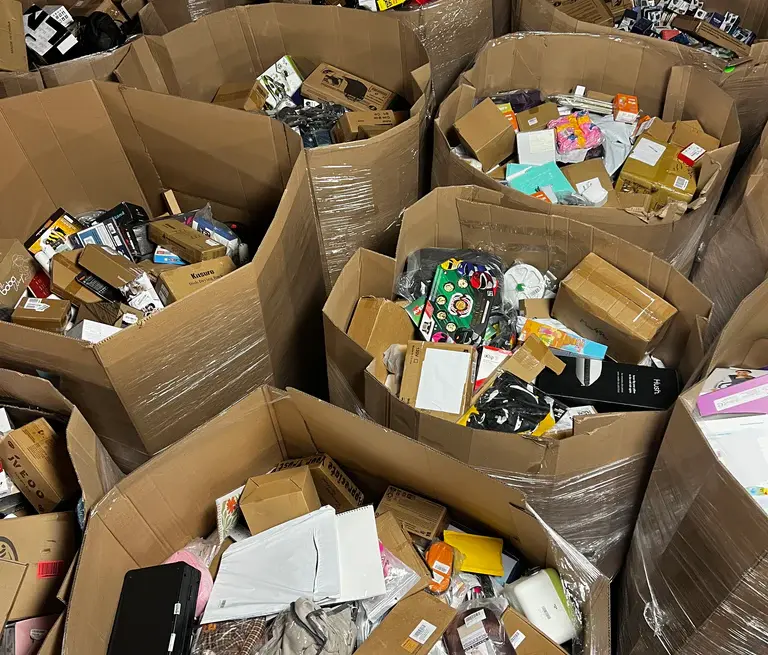
Most resellers start with one pallet. You test the category, learn how fast items sell, and work out what a good lot looks like. At some point the question comes up: should you keep buying single pallets, or step up to multi-pallet orders and liquidation truckloads?
The answer depends on your numbers, not your ambition. This guide covers the signs you’re ready, what actually changes when the volume goes up, and how to plan space, cash and risk before you commit.
Signs you’re ready for bigger orders
Don’t scale because a bigger lot looks cheaper per item. Scale because your current setup is the bottleneck. Check these five signals first:
- Sell-through: your last few pallets cleared before you needed to reorder, and you ran out of stock to list.
- Cash flow: you have money from earlier sales to fund the next order without borrowing against rent or bills.
- Storage: you already have a dry, organised space where unsold stock can wait without blocking you.
- Labour: you or your helpers can unpack, test, photograph and list items at a steady pace.
- Sales channels: you sell in more than one place, so a wider mix of items has somewhere to go.
If two or three of these are shaky, stay with single pallets a little longer. If you’re unsure how to run a first order, the step-by-step first-pallet buying plan is a good place to tighten your process.
What changes with liquidation truckloads
A truckload is not just a bigger pallet. It changes the shape of the work in four ways.
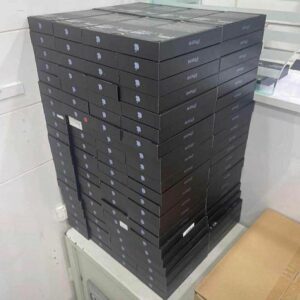
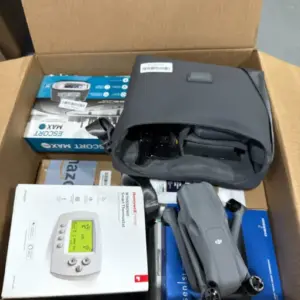
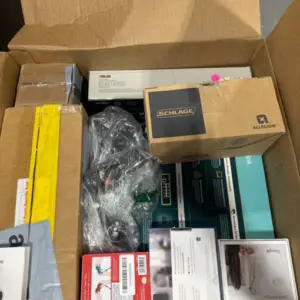
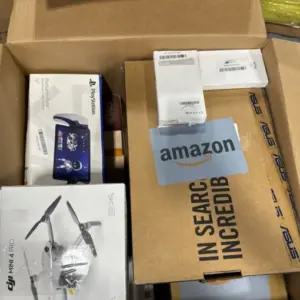
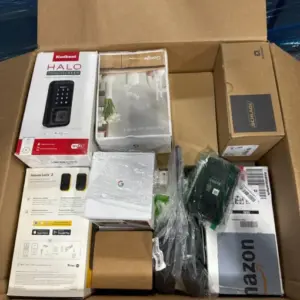
More pallets. You’re handling many pallets at once, so unloading, staging and tracking each one matters. A wider mix. Even a themed load usually contains more brands, models and conditions than a single pallet. More sorting. You’ll spend more time grading, testing and deciding where each item goes. Lower cost per item. Larger lots often work out cheaper per unit, but only if you can actually sell the units.
That last point is the trap. A low cost per item means nothing if half the stock sits in your garage. Judge the order by how quickly you can move the contents, not by the headline price.
Space and equipment you’ll need
At Westside, liftgate delivery is standard in the US, so you don’t need a forklift or a loading dock to receive an order. You do need somewhere to put it once it arrives. Plan for the following before you buy:
- A clear delivery spot with enough room for the truck and liftgate to operate.
- A pallet jack to move pallets from the delivery point to your work area.
- Shelving or racking so items come off the pallet and into labelled locations.
- A sorting and testing table with power outlets and good light.
- Packing supplies, a scale and a label printer if you ship items yourself.
Measure the space instead of guessing. Pallets are bulky, and a stack of boxes you can’t reach is stock you can’t sell.
Cash-flow planning with an example
Plan the cash before you place the order, including what you’ll need to spend after it arrives: packing materials, shipping labels, platform costs and your own time. Then work out how much has to sell before you break even on the lot.
Example figures, not a promise about any lot: say a multi-pallet order costs $6,000, and you expect to sell items across your channels for an average of $25 each. You’d need to sell 240 items just to cover the purchase price, before costs and labour. If you can list and sell 30 items in a typical selling cycle, that’s eight cycles of work to break even, which tells you the order may be too large for your current pace.
Run the same sum with your own real numbers. If the break-even point looks far away, order fewer pallets or choose a lot in a category that sells faster for you.
Managing risk when you scale
Bigger orders mean bigger mistakes, so tighten your rules as you grow.
- Stay in categories you know. You can price and describe items quickly when you recognise them. Moving into an unfamiliar category and a larger volume at the same time doubles the risk.
- Mix conditions on purpose. Every Westside lot is graded at lot level: Grade A is like new or unused, Grade B is fully working with light wear or damaged packaging, and Grade C has cosmetic damage or needs attention. Mixing grades across orders spreads the work and the risk. The guide to returns, overstock and shelf pulls explains how they differ.
- Stage your growth. Go from one pallet to two or three before you try a full load.
- Check each lot’s details. Each listing states the lot size, the stated retail value (MSRP) where the source provides one, and the condition.
If the load includes electronics, test items before you sell them. Handle any swollen or damaged lithium batteries carefully and keep them away from other stock, and check for recalled items before listing.
Single pallet vs multi-pallet vs truckload
| Factor | Single pallet | Multi-pallet order | Truckload |
|---|---|---|---|
| Best for | Testing a category | Steady sellers with proven demand | Established resellers, bin stores, multi-channel sellers |
| Cash needed | Lowest | Moderate | Highest |
| Space | A corner of a garage | A room or small unit | A dedicated storage or sorting area |
| Sorting work | Light | Moderate | Heavy |
| Variety | Narrow | Wider | Widest |
| Cost per item | Usually highest | Often lower | Often lowest |
| Main risk | One bad mix | Overbuying one category | Stock sitting unsold |
How to order and what to ask first
The minimum order at Westside is one pallet, and lots run from single pallets and boxes up to full truckloads. Freight is free to any country because it’s included in every listed price, and international buyers pay their own import duties and taxes.
Before you commit to a large order, ask about the lot. Manifests or category breakdowns are available on request where the source provides one, so contact us with the listing you’re considering and ask what’s available. Then choose the lot, check out and pick a payment method such as a card payment link, bank transfer, Zelle, Cash App or Apple Pay. We email the payment details for that method, the pallet is reserved while we confirm payment, and then we book freight and send tracking.
You also have 14-day returns from delivery, with no restocking fee. The customer pays return freight unless the error was ours, and the refund is made within 5 days of inspection. The full terms are on the returns page.
Browse truckloads and multi-pallet lots
When you’re ready, start with wholesale truckloads for mixed loads or electronics truckloads if that’s your category. For multi-pallet orders, look at Amazon high count pallets, Amazon bulk pallets or general merchandise. If you’d like help choosing, send us a message.



Ready to stock up?
Freight is included in every price. Ask us for the latest manifest before you buy.
We use cookies to improve your experience. By continuing, you agree to our cookie policy.
I AcceptYour Cart
All Categories
Search
