


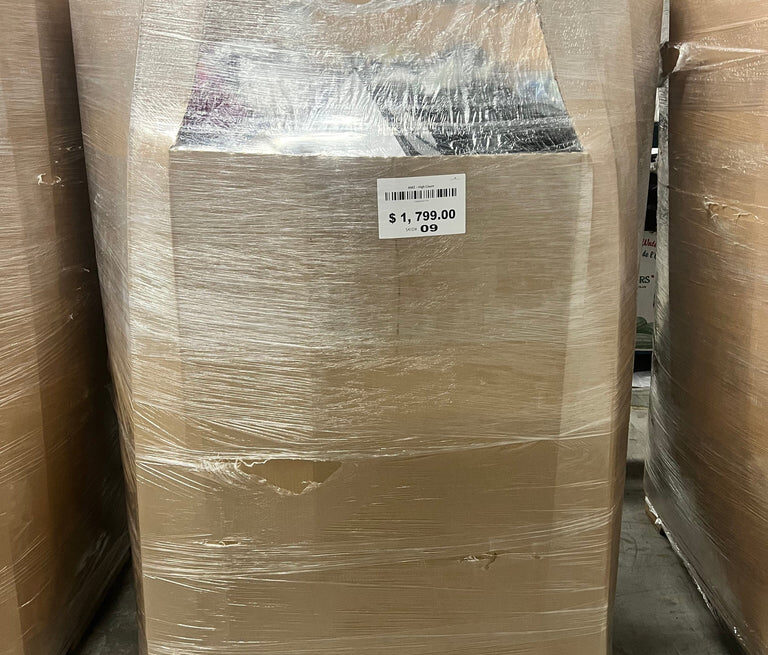
A bin store is simple on the surface: shoppers walk in, dig through large bins of mixed goods, and pay a flat price per item. The price is highest on restock day and steps down as the week goes on, which brings people back and clears space for the next delivery. The part that decides whether it works is your supply, and for most owners that means bin store liquidation pallets bought in a steady rhythm.
This guide walks through the stocking side: which lot types suit a bin, how to size a restock, how to sort and price it, and how to grow without drowning in inventory. It covers a planning method, not promises about what any pallet will return.
Why bin store liquidation pallets make sense
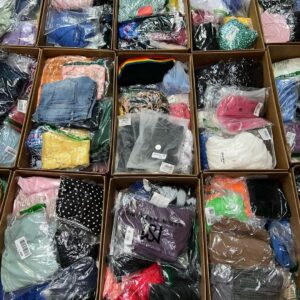
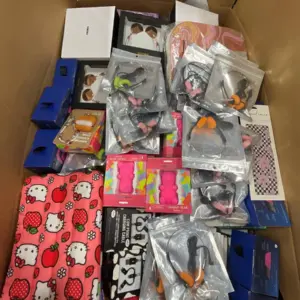
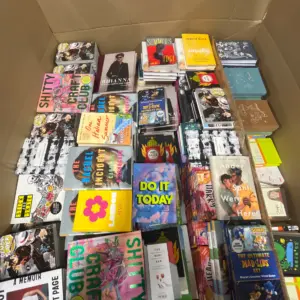
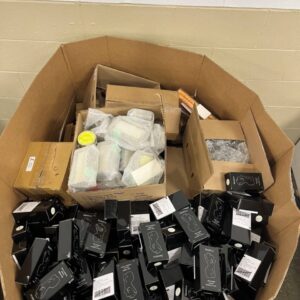
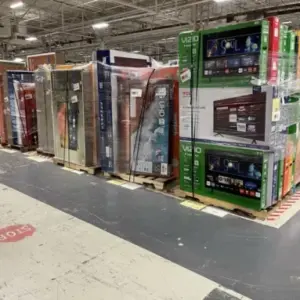
A bin store needs variety, volume and a cost per item low enough to sell at a flat price. Large retailers often sell returns, overstock and shelf pulls in bulk, and that is exactly the mix that fills a bin: lots of different products in one delivery.
Because every pallet is different, shoppers have a reason to return. They never know what arrived on restock day. Your job is to keep that variety coming without buying so much that the back room overflows.
Choose lot types for your bins
Different lots suit different parts of the store. Most owners blend two or three types rather than relying on one.
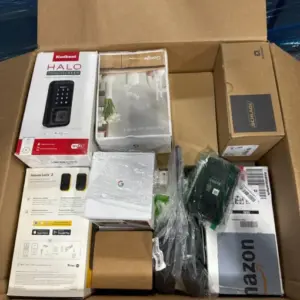
- High-count pallets: many small and mid-size items per pallet, which means more pieces to spread across bins. Browse Amazon high count pallets if item count matters most to you.
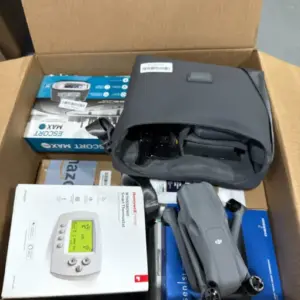
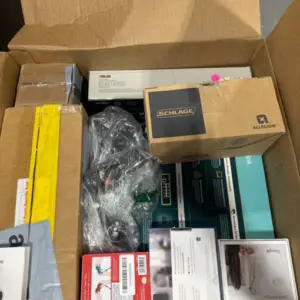
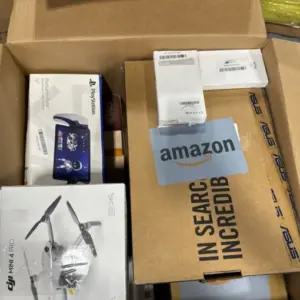
- Mystery boxes: smaller, mixed lots that are easy to handle and good for testing a new category. See the Amazon mystery boxes listings.
- General merchandise: household, home and everyday goods that appeal to a wide crowd. Start with general merchandise.
- Assorted merchandise: mixed categories on one pallet, useful for keeping bins varied. Check assorted merchandise.
- Bulk Amazon pallets: larger mixed lots when you want a steady base of stock from one source type. Look at Amazon bulk liquidation pallets.
Read each listing for lot size, stated retail value where the source provides one, and condition. Grade A is like new or unused, Grade B is fully working with light wear or damaged packaging, and Grade C has cosmetic damage or needs attention. Bins usually take B-heavy lots well, since shoppers expect some wear at bin prices.
Work out how much stock a restock needs
Skip the guesswork and size your restock from your own store. Measure your bins first: how many items fit in one bin before it looks overstuffed or empty? Multiply by the number of bins you plan to fill, and that is your target piece count for a full restock.
Next, divide that target by the item count you expect per pallet. Each listing states the lot size, and a manifest or category breakdown is available on request where the source provides one, so ask before you commit (details at the end). Some items will be pulled for online sale or set aside as unsellable, so plan a little above your target rather than exactly on it.
Then watch your first few weeks. If bins are bare by midweek, order more next time. If the same items sit in the last-day bin, order less or change the lot type.
Sort before restock day
Do not tip a pallet straight into a bin. Unwrap it, then work in passes so the floor stays clean and nothing gets mixed up.
- Open boxes and group items by type: small goods, soft goods, bulky items, electronics.
- Pull anything that looks like a higher-value item for separate handling (see the next section).
- Set aside damaged, incomplete or unsafe items. Damaged lithium batteries and any item that may have been recalled should not go on the floor. Check current recall notices before you sell electronics or children’s products.
- Wipe, bag or tag what needs it, then load bins by category or at random, whichever suits your store.
A table, a few rolling carts and a set of labelled totes will save more time than any other piece of equipment.
Pull high-value items to sell online
Mixed pallets sometimes contain items worth more as single listings than as bin items. Many owners pull those and list them on eBay, Facebook Marketplace, Whatnot or Mercari instead. Check each platform’s rules for restricted brands and categories before you list.
Decide your threshold in advance, for example any item you would rather list at a price well above your top bin tier. That turns a judgement call into a quick rule while you sort. For more on channels, read our guide to where to sell liquidation stock.
Build a pricing ladder
Tiered pricing works because it rewards early shoppers and clears older stock. Here is a clearly labelled illustration of how a weekly ladder can look. Example figures, not a promise about any lot or a recommendation for your market.
| Day | Example price per item | Purpose |
|---|---|---|
| Restock day | $10 | Best selection, highest price |
| Day two | $8 | Strong selection, small step down |
| Day three | $6 | Midweek traffic |
| Day four | $4 | Clear slower items |
| Day five | $2 | Last chance before the next restock |
Set your own numbers by working backward from what you paid per piece, your rent and labor, and what local shoppers will pay. Keep the steps easy to read on a sign, and leave room for pieces that never sell.
Plan your space and fixtures
You do not need much to open. Sturdy bins, tables or low shelves, a counter, a checkout system, clear price signs and enough floor space for shoppers to dig side by side. Leave room behind the scenes for pallets, sorting and storage of the next delivery.
Think about where a pallet will physically go when it arrives. Liftgate delivery is standard in the US, so you do not need a forklift or loading dock, but you still need a clear path from the truck to your sorting area.
Check your local requirements
Rules differ by city, county and state. Before you open, check what you need locally: a business licence or registration, a seller’s permit, how sales tax applies to your sales, zoning for retail use, and signage or fire-code rules for a public space. Your local government or a small business advisor can confirm exactly what applies to you.
Also think about returns and complaints. Decide up front whether you accept returns on bin items, and post the policy where shoppers can see it.
Scale up when your system works
Once your restock cycle is steady, you will know your average sell-through and your real cost per item. That is the moment to look at larger orders. Buying several pallets at a time can simplify ordering, and full loads suit stores with the space and the foot traffic to move them. Compare the options in liquidation pallet vs truckload.
Ordering works the same way at any size: choose a pallet, check out, pick your payment method, and we email the payment details. The pallet is reserved while we confirm payment, then we book freight and send tracking. Freight is free to any country and included in the listed price.
Where to start
Start with one or two lot types and a single restock cycle. Pick general merchandise or high count pallets from the lists above for your first order, and look at wholesale truckloads when you are ready to scale. Questions about a lot, or want a manifest where one is available? Contact us and we will help.


Ready to stock up?
Freight is included in every price. Ask us for the latest manifest before you buy.
We use cookies to improve your experience. By continuing, you agree to our cookie policy.
I AcceptYour Cart
All Categories
Search
