

Clothing Liquidation Pallets: How to Sort, Clean and Sell Apparel and Sneakers

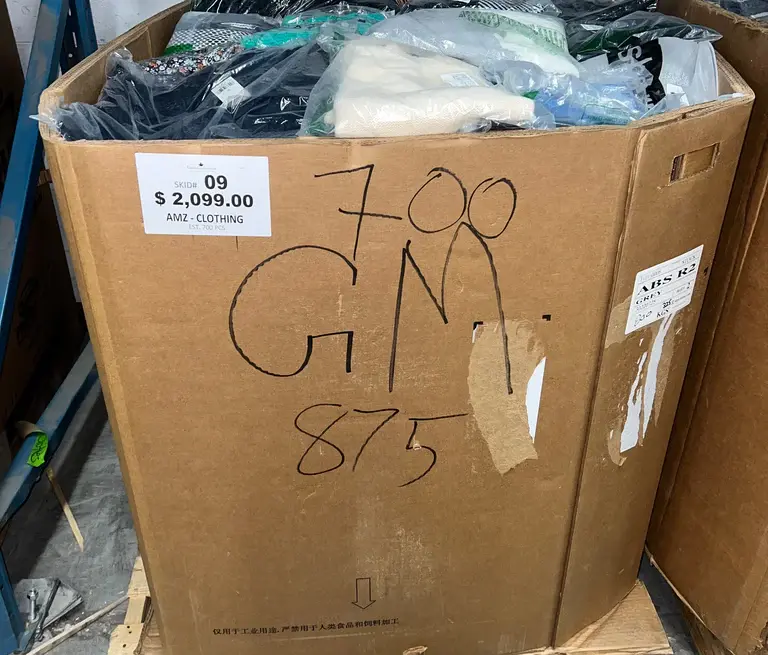
Clothing liquidation pallets reward resellers who are organised. A pallet can hold hundreds of garments across sizes, brands and seasons, and the money is made in the sorting, the cleaning and the listing quality, not in the buying alone.
This guide walks through the lot types you will see, how to sort and inspect a pallet, how to prepare items for sale, and where each type of item tends to sell. It also covers shoes, sneakers and handbags, where you need extra care. Nothing here promises a result on any lot. What you earn depends on the contents, the condition and how you sell.
Types of clothing and footwear lots
Lots are usually grouped by source or by category, which tells you a lot about what you will be sorting.
- Brand-name mixed apparel: a mix of recognisable labels across tops, bottoms and outerwear.
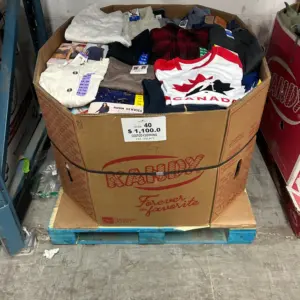
- Department-store and Costco-type apparel: everyday clothing in a range of sizes, often suited to volume selling.
- Athleisure: leggings, joggers, sports bras and workout tops from activewear labels.
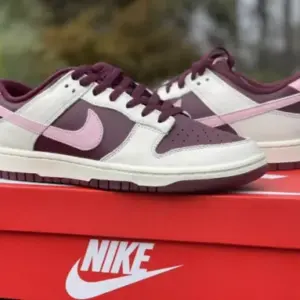
- Sneakers: athletic and casual shoes, sometimes sorted by brand.
- Boots and seasonal shoes: winter boots, sheepskin-style boots and cold-weather footwear.
- Handbags: women’s bags and accessories, usually a smaller unit count per pallet.
Each listing states the lot size, the condition and the stated retail value (MSRP) where the source provides one. Lots are graded at lot level: Grade A is like new or unused, Grade B is fully working with light wear or damaged packaging, and Grade C has cosmetic damage or needs attention. Our guide to customer returns, overstock and shelf pulls explains what to expect from each.
Sort the pallet before you list anything
Resist the urge to list the first nice item you pull out. Sort the whole pallet first so you can see what you actually have and avoid listing something twice.
- Unpack onto a clean table or rack and group by category: tops, bottoms, outerwear, shoes, bags.
- Sort each group by brand, then by size.
- Separate by season so you know what to list now and what to store.
- Set aside anything damaged, stained or incomplete into a repair-or-discount pile.
- Count by group and compare against any manifest or category breakdown you requested.
A simple labelled bin system saves hours later. Write the brand, size and season on each bin so you can pull an item the moment an order arrives.
Inspect every item
Garments look different under good light, so check each one before you decide how to list it. A few seconds per piece catches the problems that cause disputes later.
| Check | What to look for | What to do |
|---|---|---|
| Stains and marks | Underarms, collars, hems, knees | Treat, or move to the discount pile |
| Tags | Original tags attached, missing or cut | Describe accurately in the listing |
| Odours | Smoke, mildew, storage smell | Wash or air out before listing |
| Zips, buttons, seams | Broken pulls, loose threads, tears | Repair or disclose |
| Shoes | Both shoes present, same size, same style and colour | Match pairs before you photograph |
| Soles and uppers | Scuffs, wear, glue marks, creasing | Photograph the problem areas |
Be careful with shoes in particular. Mixed-up pairs, odd sizes and boxes that do not match the shoes inside are common in bulk lots, so open every box.
Clean, steam and measure
Presentation changes how a listing is received. Follow the care label on each garment, and test any treatment on a hidden spot first.
Wash or air out items that need it, steam out creases and trim loose threads. Wipe down shoes and brush suede gently. Dry everything fully before you store or ship it, because damp fabric can develop an odour.
Take real measurements instead of relying on the tag size. Record chest or bust, waist, hip, length and inseam, since sizing varies by brand and buyers shop by measurement. For shoes, note the stated size and the insole length.
Photograph for the platform you are selling on
Use daylight or a plain, evenly lit background. Shoot the front, back, label, any flaws and a close-up of the fabric or sole. Hanging garments or laying them flat both work, so pick one and use it for every listing.
Write titles that include the brand, item, size, colour and condition in plain words. Mention flaws honestly in the description, because buyers are more forgiving of a disclosed mark than a surprise one.
Where each type of item sells
No single platform suits everything. Match the item to the buyer and check each platform’s current fees and rules before you list.
- Poshmark and Depop: fashion-focused audiences, good for branded women’s clothing and trend pieces.
- Mercari: a broad mix of everyday items, useful for mid-range clothing and shoes.
- eBay: wide reach for sneakers, handbags, boots and anything buyers search for by model name.
- Facebook Marketplace: local pickup for bulky or low-value items and bundles.
- Bin stores and flea markets: a way to move volume of everyday apparel by the piece or by the pound.
For a wider comparison across categories, see our guide to where to sell liquidation stock.
Seasonality, bundles and slow sizes
Clothing sells by season. Winter coats and boots usually get attention as the weather turns, while swimwear and light layers do better in warmer months. List seasonal items early and store the rest flat and dry until their moment arrives.
Every pallet ends up with slow sizes. Rather than letting them sit, bundle similar items, such as three tops in the same size, or mark them down after you have given them a fair run. Selling the leftovers at a lower price to a bin store or at a market keeps your shelves clear for the next pallet.
Branded sneakers and handbags: verify before you list
Sneakers and handbags are heavily copied, and buyers and platforms scrutinise genuine-versus-fake claims closely. Do not describe an item as authentic unless you have verified it yourself, and do not rely on us or on a box label to do that for you. We do not claim that our goods have been authenticated.
Check each platform’s rules for restricted brands and categories, and learn what verification, if any, the platform offers for the brand you are selling. If you cannot confirm an item, list it with a description of what you can see and leave the claim out.
Buy clothing liquidation pallets at Westside
Freight is free to any country, because it is included in every listed price. International buyers pay their own import duties and taxes. In the US, liftgate delivery is standard, and the minimum order is one pallet. We email the tracking details once the pallet is booked with the carrier.
Browse brand name clothing pallets, Costco clothing pallets or Lululemon clothing pallets. For footwear, see wholesale sneaker pallets, shoe liquidation pallets and UGG boots pallets, and for bags try women’s handbag pallets. If you want a manifest or category breakdown where the source provides one, contact us.


Ready to stock up?
Freight is included in every price. Ask us for the latest manifest before you buy.
We use cookies to improve your experience. By continuing, you agree to our cookie policy.
I AcceptYour Cart
All Categories
Search
